
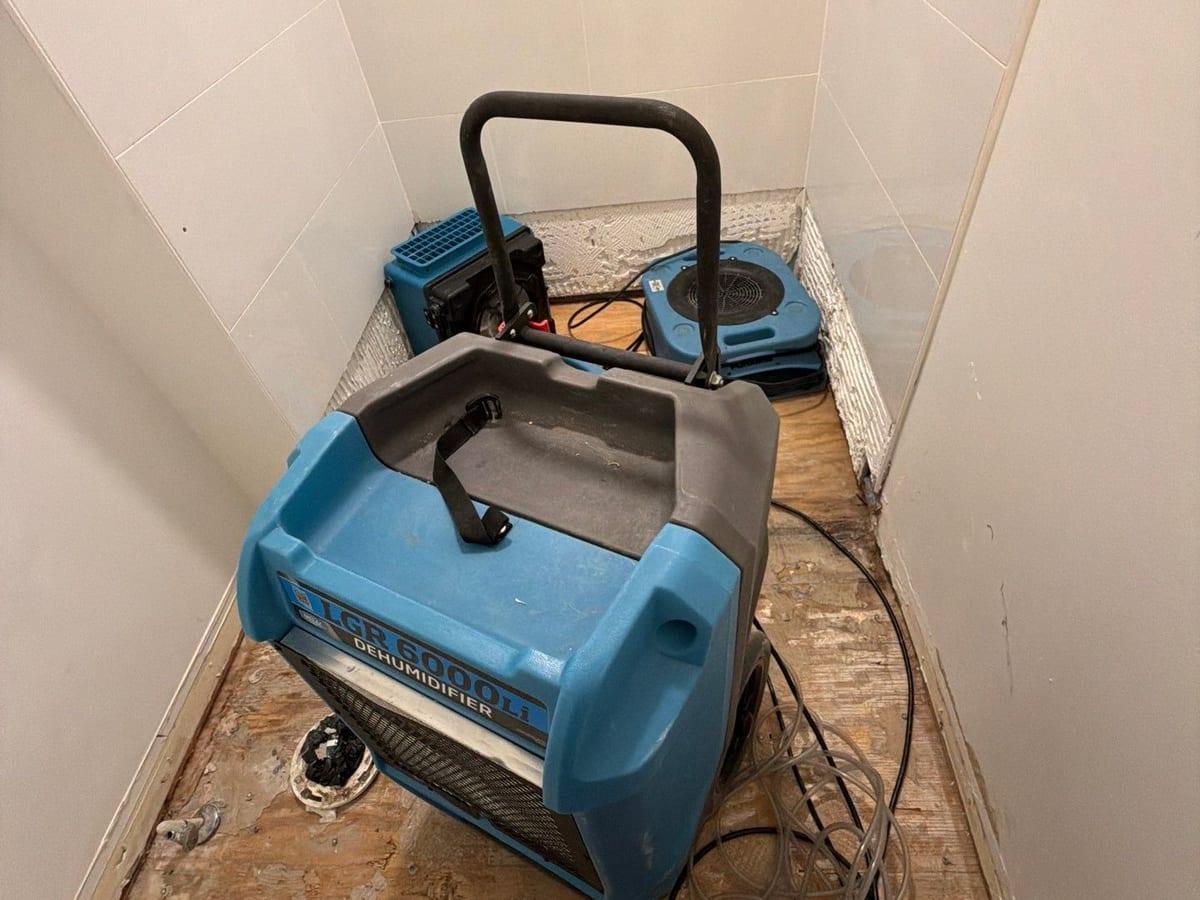
Water Mitigation to Limit Further Damage in Charlotte & Concord, NC
Water mitigation is the emergency process of stopping water damage from spreading after a leak, a flood, an overflow or storm water getting in. Phantom Restoration provides water mitigation in Charlotte & Concord, NC. Our work includes inspection, water extraction, drying equipment setup, moisture monitoring, tearing out materials that can't be saved and documentation of the loss.
The goal is to stabilize the property and cut down secondary damage, such as swollen floors, wet insulation and mold. Mitigation starts before any repair does, and it is what makes repairs possible. We answer 24/7 and send a crew as soon as we can. Mitigation is the first part of water damage restoration, which runs from the first call to a dry structure.
What Is Water Mitigation?
Water mitigation means taking immediate steps to limit the damage after water gets into a building. In practice that means a safety inspection, shutting off the source if it's safe to do so, extracting standing water, tearing out wet materials that can't be saved, setting drying equipment, monitoring moisture and documenting what we find.
Mitigation doesn't mean everything is finished. It lowers risk and limits what is lost, but it can't undo damage that has already happened. A floor that has already buckled stays buckled. What mitigation does is stop the next round of damage: the swelling, the staining and the mold risk that come with materials staying wet.
Water Mitigation vs. Water Restoration
People use "mitigation" and "restoration" as if they meant the same thing. They don't, and the difference decides who does what and in what order.
Mitigation is emergency damage control, and it comes first. We stop the spread, take out the standing water, tear out materials that can't be saved, dry the structure and monitor it until the readings say it's dry. Cleanup runs alongside and after: removing wet debris and cleaning the surfaces the water touched.
Restoration is the word many people use for the repair stage: the new drywall, flooring, cabinets and finishes that go in once a structure is dry. That stage comes after mitigation, and we can do it too, or work alongside your own contractor. Our water damage restoration service covers the part that can't wait: getting the water out, getting the structure dry and clean, and documenting all of it.
When You Need Emergency Water Mitigation
You need mitigation when water has entered your property and is still doing damage, or when the water is gone but the materials are still wet. Common signs include:
- Standing water in a crawl space, a garage or a room
- A burst pipe, or a failed refrigerator, dishwasher or overflowing bathtub
- Storm water coming in after a heavy thunderstorm
- Wet drywall, baseboards, insulation, carpet, hardwood, cabinets or subfloor
- A ceiling leak or a sagging area
- A sewage backup or other contaminated water
- Water near electrical equipment
- A musty smell after a leak
- Water in a basement, if your home has one
The source changes the job. Burst pipe cleanup and appliance leak cleanup start with the shutoff, ceiling water damage means checking wet insulation and drywall overhead, crawl space flooding and basement flooding mean working below the house or below grade, and sewage cleanup starts from the fact that the water is contaminated.
Stay out of areas with standing water near electrical equipment, and keep clear of any water you think may be contaminated. If it's safe to reach, shutting off the water at the valve is the first step. Then call (980) 501-1879, and tell us what happened.
The Water Mitigation Process
Every mitigation job follows the same sequence, even though the details change from property to property.
1. Emergency Call and Job Intake
When you call, we ask what the water came from, which rooms are affected, whether it's still running, whether anything electrical is wet and whether you've spoken with your insurance company yet. We answer 24/7 and send a crew as soon as we can.
2. Safety Inspection and Moisture Assessment
The crew starts by looking for hazards: wet electrical equipment, possible sewage and areas that aren't safe to enter. Then we check for visible water and hidden moisture, using moisture meters and thermal imaging cameras to see how far the water has traveled into walls, floors, ceilings and cabinets. We note which materials are affected and how, so the drying plan comes from readings rather than guesses. A water damage inspection covers the places water hides, such as wall cavities, the space under flooring and the inside of cabinets.
3. Source Control and Damage Containment
If water is still coming from a pipe or an appliance, it needs to be shut off at the valve, when that's safe to do. A plumber fixes the pipe; we handle the water and the drying. Where it helps, we set up plastic containment around the wet area to limit how far moisture travels.
4. Water Extraction
We remove standing water from floors, carpet and other affected areas, including crawl spaces. If the water is contaminated, the sequence changes: contaminated material is dealt with, with appropriate contamination controls and worker protection, before drying equipment goes in. Running air movers is not the first response to sewage or floodwater.
5. Drying Equipment Setup
With the standing water out and any contaminated material dealt with, we set up air movers to move air across wet surfaces and dehumidifiers to pull moisture out of the air. We use containment and ventilation where they help. We don't quote a drying time before we've inspected, because it depends on the materials, the amount of water and the humidity. That drying stage is structural drying, and it continues until the readings show the materials are dry.
6. Moisture Monitoring and Documentation
We return to the same locations and take readings again, so we can see whether materials are drying and move equipment if they aren't. We keep photos, moisture readings, drying records and notes on any equipment changes. Those records are what you and your adjuster see at the end of the job.
What Happens After Water Mitigation?
Once the water is out and the readings show the structure is dry, mitigation is finished. Some materials dry in place and others come out, depending on how contaminated they were and how much damage they took. Belongings that were in the affected rooms can be packed out during the work and packed back in when it's done.
Once everything is dry and documented, repairs can begin. We give you the drying records your adjuster needs, and we can also handle repairs such as drywall, flooring and cabinets. If you already have a contractor, we'll give them the drying records and work alongside them. The repair work is a separate stage from mitigation, and you choose who does it.
Insurance Documentation for Water Mitigation
We work with all insurance companies. We document the damage with photos, moisture readings and drying records and share them with your adjuster. Your policy and your insurance company decide what's covered.
On a mitigation job, that record includes the affected areas, the moisture readings and when we took them, photos of the conditions we found, what equipment ran and for how long, and which materials were removed. Coverage is a decision for your policy and your insurer, and we don't predict it. What we can do is make sure the facts of the loss are written down clearly while the job is happening.
Water Mitigation and Mold Risk
Controlling moisture reduces the conditions mold needs. Hidden moisture can stay behind walls, under floors, inside cabinets and in crawl spaces, and Charlotte-area summers are humid, so materials that dry slowly are the ones that cause trouble. The EPA advises drying wet materials within 24 to 48 hours to limit mold growth. Mitigation lowers the risk, but we can't promise it will prevent mold in every case.
If you see visible mold or smell a strong musty odor, that calls for a different process. We offer a free mold inspection, where we look for visible growth and check moisture. If mold is there, mold remediation is its own job, separate from the water work.
Call Phantom Restoration for Water Mitigation in Charlotte & Concord, NC
If water is spreading through your property in Charlotte & Concord, NC, call (980) 501-1879. We answer 24/7 and send a crew as soon as we can. We'll inspect the damage, remove standing water when needed, set drying equipment, monitor moisture and document the job. We have offices in Concord and Charlotte, and we've been in business since 2022. When the structure is dry, you'll have the records your adjuster needs, and we can start the repairs or work alongside your own contractor.