
Commercial Fire Damage Restoration After Smoke and Suppression Water in Charlotte & Concord, NC
A fire in a commercial building leaves more than burned materials. Smoke moves through the building and leaves residue in rooms the fire never reached. Soot settles on walls, ceilings, fixtures, stock and equipment. Water from fire hoses or a sprinkler system soaks walls, ceilings, floors and anything stored on them. Phantom Restoration provides commercial fire damage restoration in Charlotte & Concord, NC, and across the Charlotte region, and we treat each of those as its own part of the job.
If you own or manage any kind of commercial property, from an office, shop or restaurant to an apartment building, church or warehouse, call (980) 501-1879. We answer 24/7 and send a crew as soon as we can. Tell us what burned, whether the fire department has cleared the building, whether sprinklers went off, which areas are affected and who can authorize access.
Until we've looked at it, don't wipe soot-covered surfaces. Wiping can push soot into a surface that could have been cleaned and turn it into one that has to be replaced.
Confirm Access and Limit Further Damage
No one should go into a fire-damaged building until the fire department says it's safe. The U.S. Fire Administration's after-a-fire guidance says the same. A fire can leave structural, electrical and air-quality hazards after the flames are out, and utilities may need to be checked before they're turned back on. We don't make structural or electrical safety decisions, and we don't clear a building for use. If something looks unsafe, we tell you who to call before we go further.
Once we can get in safely, the first job is stopping the damage from spreading. We photograph the damage before anything is moved, extract the water left by firefighting, start drying and remove soaked materials that can't be saved. Broken windows, damaged doors and openings in walls let in rain and make it easy for someone to walk in, so they need to be closed quickly. You may need a glazier or a contractor to secure them.
We don't do roof work. If the fire opened the roof, a roofer needs to look at it.
Assess Soot, Smoke, and Suppression Water Separately
Soot, smoke residue and firefighting water are three different problems, and one treatment doesn't fix all of them.
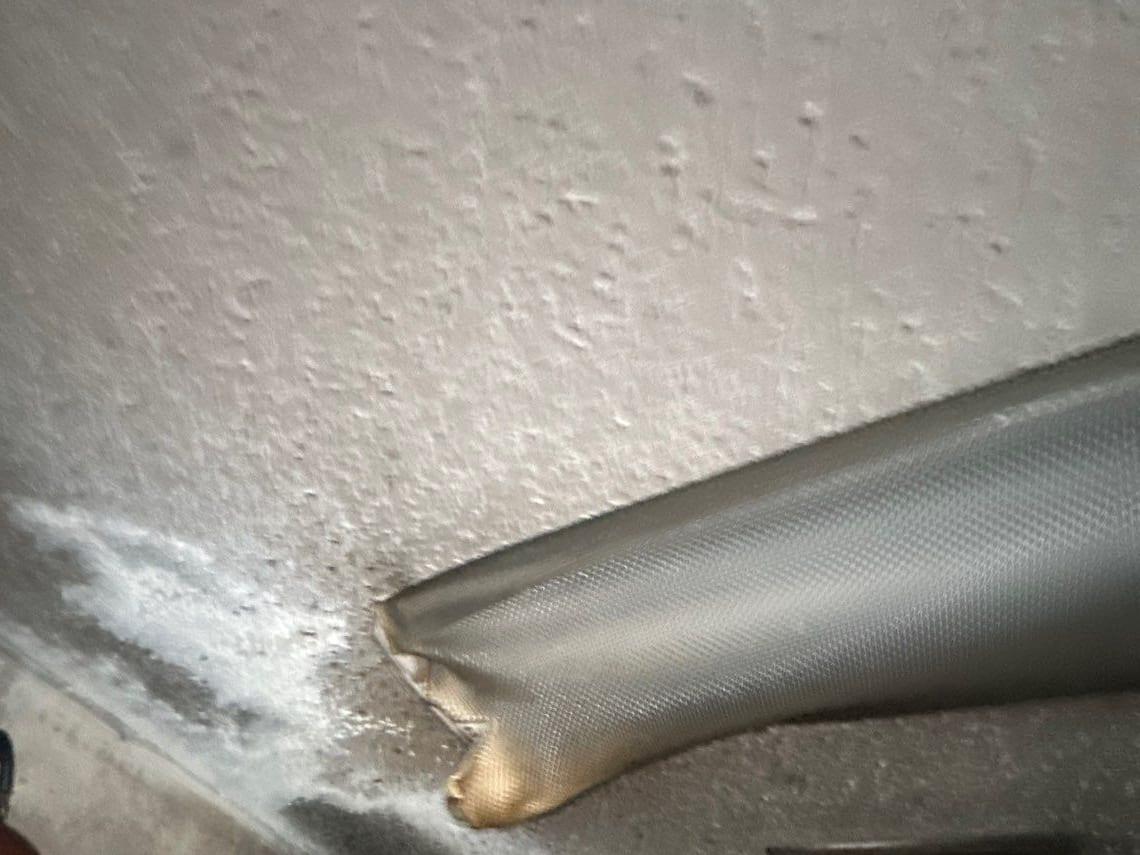
Soot is the visible residue. It can be dry and powdery or oily and smeared, depending on what burned, so how we clean it changes from surface to surface. Some surfaces clean well. Porous materials such as ceiling tile, insulation and soaked drywall often have to come out. Our fire damage cleanup work covers clearing debris and removing materials that can't be cleaned, room by room, with plastic containment where it's needed to keep soot out of clean areas.
Smoke residue travels farther than soot. Smoke moves through the building, settles on cooler surfaces and works into anything porous, including suites that never saw flames. Smoke odor is held in that residue, which is why an air freshener or an open door doesn't fix it. We clean the residue and remove the materials that hold the smell. We can't promise a smell will disappear completely; how much it improves depends on what absorbed the smoke. Our smoke damage restoration page covers this in more detail.
Firefighting water is a second loss after the fire. Water from hoses or sprinklers can run into ceilings, wall cavities, insulation and the floor below, well beyond the room that burned, and it often carries ash and debris, so we don't treat it as clean water. We extract it, track the wet materials with moisture meters and dry the structure with air movers and dehumidifiers until the readings say it's dry. Our commercial water damage restoration page explains how we map and dry water in an occupied building, and our main fire damage restoration page walks through every stage of fire cleanup.
Inventory Contents and Business Equipment
Stock, furniture, records, computers and equipment can all take soot, smoke and water. Before anything is moved or thrown out, the damage needs to be recorded. We photograph the affected areas, including the stock and equipment in them, as part of documenting the loss.
Make your own list as well: what was in each area, its condition, and receipts or purchase records if you have them. Your adjuster will want that list, and the Ready.gov guide to documenting your property is a good place to start.
Some items need more than cleaning. Electronics, machinery and specialist equipment should be checked by the manufacturer or a qualified technician before anyone powers them back on. We don't promise that any particular item can be saved. Decisions about what to keep are yours and your adjuster's, and they're easier once the damage has been recorded.
Sort the Building and Plan the Next Steps
After a commercial fire, different parts of the building are usually in different states. Some areas stay closed until they've been checked. Some need cleaning only. Some need electrical, structural or other specialist work before anything else happens there. We walk the building with you and sort the areas into those groups. We can work whenever you allow, including after hours.
We'll tell you honestly what can stay open, but no one can promise a reopening date before the damage has been assessed. The decision to use any part of the building is yours, the fire department's and, where it applies, the local building authority's.
We work with all insurance companies. We document the damage with photos, moisture readings and cleaning records and share them with your adjuster. Your policy and your insurance company decide what's covered. Once the property is cleaned and dried, we also handle repairs after mitigation, such as drywall, flooring and cabinets.
Discuss Commercial Fire Damage Restoration in Charlotte & Concord, NC
If a fire has damaged a building you own or manage, call Phantom Restoration at (980) 501-1879. We answer 24/7 and send a crew as soon as we can. Tell us the address, what burned, whether the fire department has cleared the building, whether sprinklers went off, which areas are affected and who can authorize access.
Once it's safe to enter, we'll inspect the affected areas, start the cleanup and drying, document the damage and give you a written scope after we inspect. We're a local company with offices in Concord and Charlotte, in business since 2022. Financing is available — ask us for details. For water, mold and storm damage, see our commercial restoration services.