
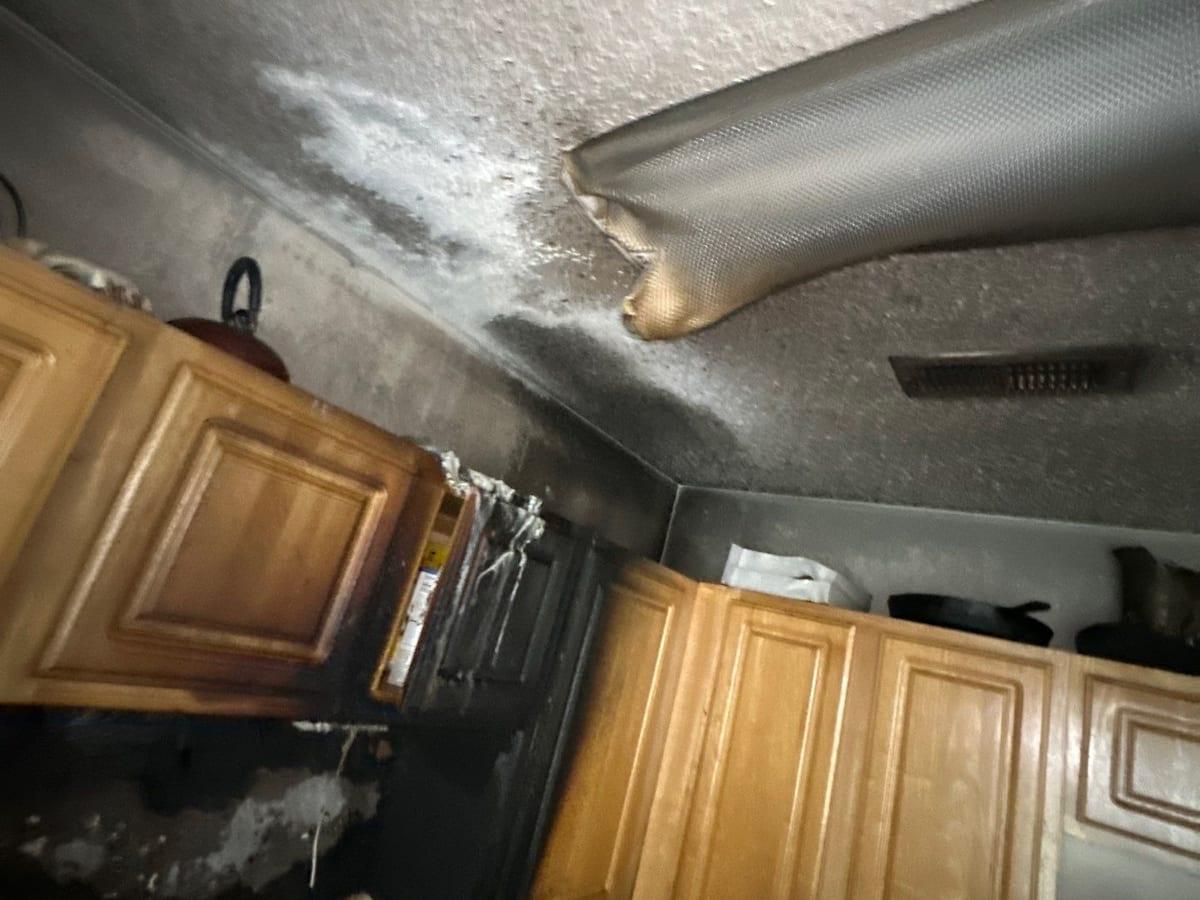
Fire Damage Cleanup After a Property Fire in Charlotte & Concord, NC
After a fire, cleanup can include debris, soot, smoke residue, odor sources, damaged materials and water from firefighting. Phantom Restoration provides fire damage cleanup in Charlotte & Concord, NC, once the property has been cleared for entry. Our team inspects the damage, puts a cleanup plan in writing and works through the property room by room.
Cleanup is the stage after the emergency and before repairs. The flames are out, but ash and soot are still settling, wet materials are still wet, and it isn't always clear what can be cleaned and what has to be removed. That's what we sort out. Call (980) 501-1879 and we'll tell you what to do before we arrive, including what not to touch. We answer 24/7 and send a crew as soon as we can.
Our crews work out of our offices in Concord and Charlotte and cover homes and businesses across the Charlotte region.
What Fire Damage Cleanup Includes
Cleanup is more than carrying out what burned. For most fires it includes:
- Walking the property and recording the damage, room by room.
- Removing fire debris, ash and burned or soaked materials that can't be saved.
- Cleaning soot and smoke residue from surfaces that can be cleaned.
- Checking for moisture left by firefighting, and drying where we find it.
- Reducing odor sources by cleaning residue and removing materials that hold the smell.
- Packing contents out of the work area when that's needed, and packing them back in when the work is done.
- Writing down what we found and what we did, with photos.
Cleanup is one part of our fire damage restoration work, which also includes board-up and drying the water left by firefighting.
What Causes Soot Damage and What It Settles On
Soot is the fine, dark residue left when something burns. It comes from structure fires, kitchen fires, fireplace problems, candles and electrical events, and it doesn't stay put. Smoke carries it through the house, and it settles wherever the air slows down. What burned changes what the soot is like: a kitchen grease fire tends to leave an oily smear, while burned paper or wood leaves a drier, powdery soot.
Soot can settle on painted walls, ceilings, cabinets, tile, grout, stone, metal and plastic. Smooth, sealed surfaces are usually easier to clean than porous ones like grout, unsealed stone and textured ceilings, where soot works into small gaps. That's why one wipe-down doesn't work on everything, and why scrubbing before an assessment can make things worse by smearing soot deeper into the surface.
We look at where the soot reached, what it's sitting on and how heavy it is before we pick a cleaning method. Some surfaces can be cleaned. Others, like heat-damaged or very porous materials, may need to come out, and we'll tell you which is which and why. Soot also isn't limited to the room where the fire started. If you're asking whether the smell will go with it, our smoke damage restoration work deals with the residue and the odor together.
Smoke, Soot, and Odor After a Fire
Smoke doesn't stay where the fire was. It moves through open doors, hallways and wall cavities, and it settles on surfaces in rooms that look untouched. Porous materials like drywall, insulation, unfinished wood and fabric hold on to it, and that's usually where lingering odor comes from.
Smell is a sign of residue still in the house, so the fix starts with the residue: cleaning what can be cleaned and removing what can't. We include that in fire cleanup. When smoke is the main problem, because the fire was small or the damage is mostly residue and smell, the job is closer to our smoke damage restoration work: cleaning the residue and removing whatever still holds the smell.
The Fire Cleanup Process
Every fire is different, but cleanup usually follows this order.
Inspection and safety review
We start once the property is safe to enter. We confirm access, then check every affected room, including closets, cabinets and the crawl space or basement if water from firefighting could have reached it. We look for fire residue and for wet materials before we decide where to work first. We don't make structural or electrical safety decisions, and we'll tell you who to call if something looks unsafe.
Cleanup plan and documentation
We record the affected rooms, the materials involved and the cleanup scope, with photos, and give you a written scope after we inspect. The plan shows the order we'll work in, so the cleanest areas are protected first and the heaviest areas aren't tracked through them. You can see what we plan to do and why before the work begins.
Debris and damaged-material removal
Inspection separates materials that can be cleaned from those that have to come out. Burned, soaked or heavily contaminated materials are removed and carried out, and we protect the floors along the route so debris isn't dragged through rooms that are still clean. If we come across something that needs separate qualifications to handle, we stop and tell you rather than guess.
Soot and residue cleaning
We match the cleaning to the surface and the residue. Where it's appropriate, we test a small area first, so we know a method works before we use it across a room. We check each result before moving on, because a surface that looks clean in dim light can still show a film when the light hits it.
Moisture and odor checks
We check for remaining moisture with moisture meters and for remaining odor sources before we call cleanup finished. A meter tells us whether a wall or floor is still wet even when it feels dry. If something is still wet or still holding smoke, we tell you and say what happens next.
What happens after cleanup
Once the property is cleaned and secured, repairs can begin. We give you the photos and cleaning records your adjuster needs, and we can also handle repairs such as drywall, flooring and cabinets. If you already have a contractor, we'll give them the records and work alongside them.
Insurance Documentation for Fire Cleanup
We work with all insurance companies. We document the damage with photos, moisture readings and cleanup records and share them with your adjuster. Your policy and your insurance company decide what's covered.
Our records show the affected rooms, the condition of the materials, what was removed and what was cleaned. After we inspect, we give you a written scope. We can't tell you what your policy covers or promise how a claim will go. Your insurance company has to answer that.
Call Phantom Restoration for Fire Damage Cleanup in Charlotte & Concord, NC
If your property has soot, smoke residue, debris or water damage after a fire, call Phantom Restoration at (980) 501-1879. Please don't start scrubbing first. We answer 24/7 and send a crew as soon as we can, and once it's safe to go in, we begin the cleanup.
We've served the Charlotte region since 2022 from our offices in Concord and Charlotte. Financing is available — ask us for details.