
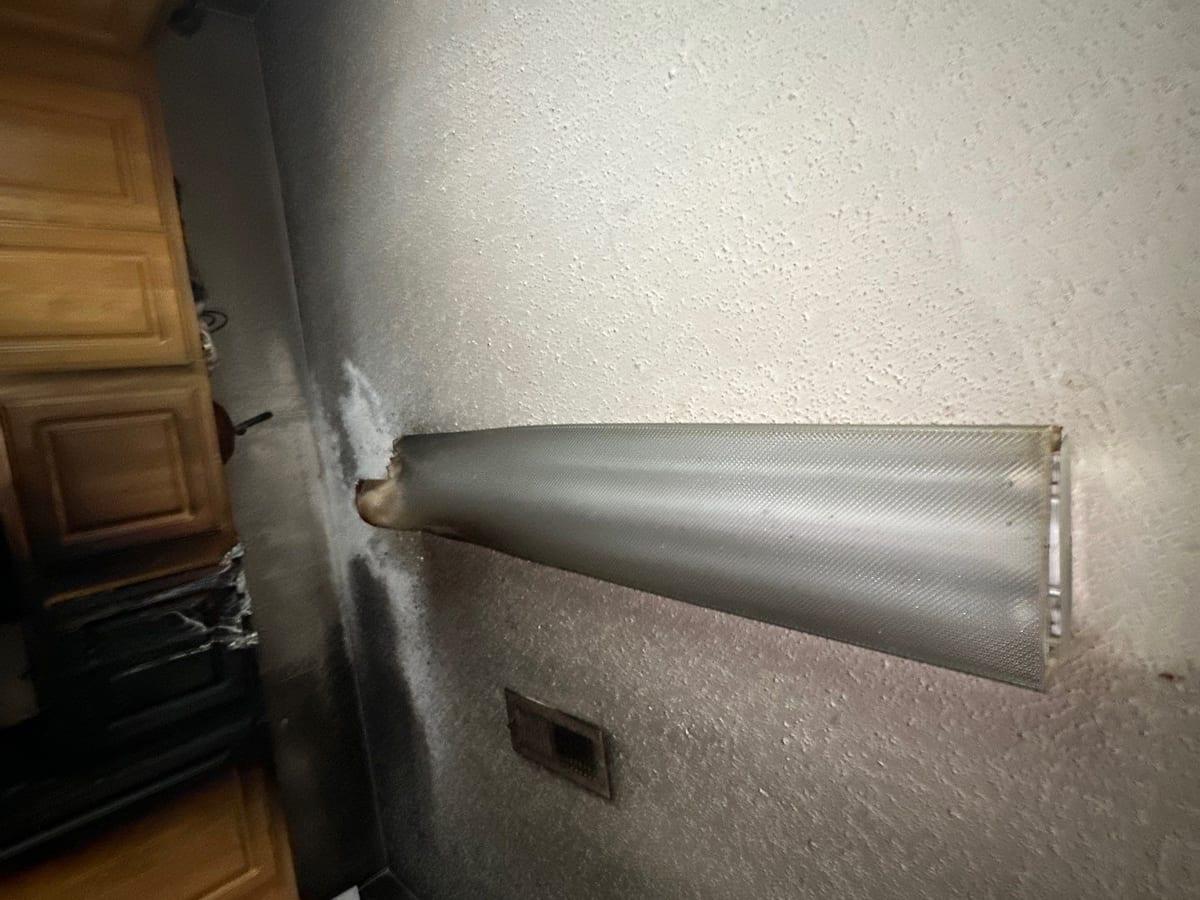
Fire Damage Repair After Cleanup in Charlotte & Concord, NC
A fire rarely stays in the room where it started. Heat cracks drywall and blisters paint, smoke works into insulation and cabinets, and the water used to put the fire out soaks floors and walls. Cleanup removes the debris, the soot and the materials that can't be cleaned. What's left is often a house with open walls, bare subfloor and gaps where cabinets used to be. Phantom Restoration provides fire damage repair in Charlotte & Concord, NC, for that stage. We replace drywall, insulation, flooring, cabinets and trim, and we paint the repaired areas.
Repairs come after cleanup, never instead of it. New drywall over smoke residue, or new flooring over a subfloor still wet from firefighting, hides the problem instead of fixing it. So before any repair starts, we check that the soot and smoke cleanup is finished, the firefighting water has been dried out and the property is safe to work in.
If we handled the fire cleanup, one team takes you from the emergency through the repairs, and the people who cleaned your walls already know what's behind them. If another company did the cleanup, we'll work from their photos and records. If you already have a contractor, we'll give them our records and work alongside them. The choice is yours.
What Fire Damage Repair Can Include
Fire damage repair covers the parts of the building that the fire, the smoke or the firefighting water ruined, and that the cleanup had to remove. On most fire jobs, that means:
- Drywall and ceilings. Sections that burned, cracked from the heat, soaked up firefighting water or were too smoke-damaged to clean are replaced.
- Insulation. Insulation holds smoke odor and water, so it usually comes out during cleanup. New insulation goes in before the walls and ceilings are closed.
- Flooring. Flooring that burned, melted, soaked up water or was stained by smoke is replaced in the affected rooms.
- Cabinets. Cabinets that were scorched, warped or swollen are replaced, and cabinets removed for cleanup are put back.
- Trim. Trim that was charred, warped or swollen is replaced.
- Paint. We prime and paint the repaired areas.
An exact match with the materials that weren't damaged isn't always possible. Paint fades, sheens vary and some products go out of production. We tell you what we can match before the work starts, so the choice is yours.
Some fire damage needs a different trade: wiring for an electrician, heating and air systems for an HVAC professional, framing or roof structure for a structural professional, and the roof for a roofer. We don't do that work. When we find it, we show you, and we don't close a wall until it's done.
Cleanup and Mitigation Before Repairs
Repairs are the last stage of fire damage restoration, and they only last if the stages before them were done properly. Before we put anything back, four things have to be finished:
- Debris removal. Charred materials, ash and anything the fire ruined come out first. Our fire damage cleanup clears it room by room.
- Soot and smoke residue. Residue on the surfaces that stay, like framing and subfloor, has to be cleaned. Our smoke damage restoration work covers every surface the smoke reached.
- Firefighting water. The water used to put out a fire goes into floors, walls and insulation. Many homes in the Charlotte area sit over crawl spaces, and that water can collect underneath. Our water damage restoration work extracts and dries it until the framing and subfloor read dry.
- Odor sources. Smoke odor is held in residue and in porous materials like insulation. Those sources are cleaned or removed first, because new materials won't hide a smell that's still in the structure.
If an area still smells of smoke after cleaning, we tell you before we cover it. Closing a wall over smoke residue or damp framing puts the problem behind new drywall.
The Fire Damage Repair Process
Every fire is different, but the repairs follow the same order.
Damage inspection
We start once the fire department has cleared the property and it's safe to enter. The U.S. Fire Administration's after-a-fire guidance explains what to check before anyone goes back in. We walk the property room by room, look at what the cleanup removed and what's left, and take moisture readings where firefighting water reached. We don't make structural or electrical safety decisions. If something looks unsafe, we tell you who to call before we go further.
Emergency stabilization
Temporary protection is a separate stage from the permanent repairs. If windows, doors or wall openings are broken, our board-up services close them so weather and unwanted visitors stay out while the repairs are planned. Board-up isn't a repair, and it doesn't make the building weatherproof. Permanent window and door work belongs to the right contractor.
Cleanup and removal
Cleanup comes next: debris and smoke-soaked materials out, residue cleaned, firefighting water dried. If we did that work, we already have the photos, cleaning records and moisture readings. If another company did, ask them for their records, and we'll check them against what we see.
Repair scope
Then we write the repair scope: which rooms, which walls, ceilings, floors, cabinets and trim, what's replaced, what stays and what has to go to another trade first. You get it in writing after we inspect, and you can share it with your adjuster. If something changes once a wall is open, we tell you and update the scope before we go further.
Build-back or reconstruction
With the scope agreed and the property ready, we put back what was removed: insulation, new drywall hung and finished, flooring, cabinets and trim, and primer and paint on the repaired areas. If an electrician or another trade still has work to finish, that happens before a wall is closed, and we schedule around it. These are the same reconstruction services we provide after water and mold damage.
Final walkthrough
We walk the finished rooms with you, go over what was done against the written scope and note anything that still needs attention.
Fire Damage Repair Scope by Property Type
The repair work is the same in every building. What changes is who needs to be involved and how the work is planned around the people who use the space.
- In a home. Some families move out during fire repairs, and some stay in the rooms the fire didn't reach. We plan the work room by room, keep dust contained and tell you which rooms you can't use. Belongings have to be out of the work area first, and our packout services can move them out and bring them back.
- In a rental property. The owner, the tenant and often a property manager all need to know what's happening. Before work starts, we agree in writing who approves the scope, who we contact about access and who receives the records.
- In a business. The question is usually what can keep running while the repairs are done. We'll plan the work around your operations with you and tell you honestly what can stay open. For the cleanup side at a business, see our commercial fire damage restoration.
Insurance Documentation and Repair Scope
After a fire, the insurance claim and the repair plan depend on the same record. We work with all insurance companies. We document the damage with photos, moisture readings and cleaning records and share them with your adjuster. Your policy and your insurance company decide what's covered.
For the repairs, we add a written scope after we inspect: the rooms and materials, what's being replaced and why, and what isn't included. Before a wall is closed, we photograph what's inside it, so there's a record of the cavity as well as the finished wall. If your adjuster wants to see an open wall before it's closed, tell us and we'll plan around it.
We can't tell you what your policy covers or promise what a claim will pay. Keep a list of what was damaged, keep copies of everything we give you and contact your insurance company early.
Start Fire Damage Repairs in Charlotte & Concord, NC
If your property has been through fire cleanup and you're ready to plan the repairs, call Phantom Restoration at (980) 501-1879. Tell us what burned, what's been cleaned and removed, and whether you have records from the company that did the cleanup. We'll walk the property, check that it's ready and give you a written scope.
If the fire was recent and the cleanup hasn't started, that work comes first. We answer 24/7 and send a crew as soon as we can. We're a local company based in Concord, with a second office in Charlotte, and we've served the Charlotte region since 2022. Financing is available — ask us for details.