
Scope and Finish Decisions in Drywall Water Damage Repair for Charlotte & Concord, NC
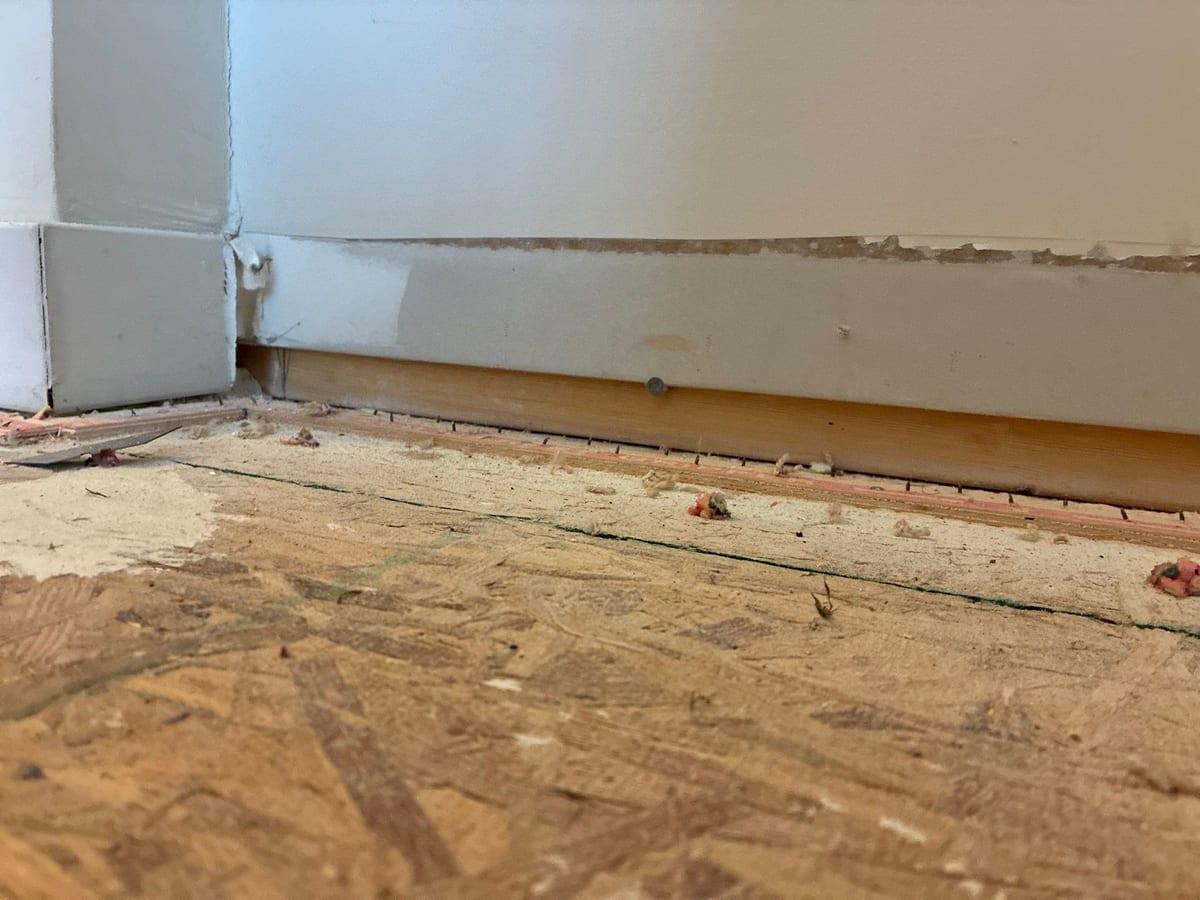
Water-damaged drywall shows up as a stain, bubbling paint, a soft spot at the bottom of a wall or a ceiling that sags. Phantom Restoration provides drywall water damage repair in Charlotte & Concord, NC, for walls and ceilings after a leak, a flood or a storm. We replace the insulation and drywall that had to come out, finish the new drywall and paint the repaired areas.
Every repair starts with two decisions. The first is whether the wall is ready: is the water source fixed, and are the drywall, insulation and framing behind it dry? The second is how far the repair goes: a patch, a few new sheets or a whole wall, and how the new surface will be finished so it sits right next to the old one. We make both decisions with you before any new drywall goes up.
If we did the drying, we already have the moisture readings for your walls. If another company did, ask them for their drying records and we'll work from those. If you already have a contractor, we'll give them the drying records and work alongside them.
Confirm the Wall Is Ready for Repair
Drywall is a gypsum core faced with paper. Once it's wet, the paper can lose its bond, the core can soften and crumble, and mold can grow on the paper facing. Wet insulation behind it holds water against the studs. New drywall fixes none of that, so before we repair anything we check four things:
- The source is stopped. A plumber fixes the pipe, a roofer fixes the roof and an appliance technician fixes the appliance. We don't close a wall until that's done.
- The cavity is dry. We take moisture readings on the studs, the bottom plate and the drywall around the damaged area, not just the surface you can see.
- Wet insulation is out. Insulation that got soaked usually has to come out so the cavity can dry. We replace it once the cavity reads dry.
- No mold or contamination is left. If the water came from a flood or a sewage backup, or mold is growing in the cavity, that has to be dealt with first.
Many homes around Charlotte sit over crawl spaces, and in a humid summer a wall can look dry on the surface while the bottom plate is still damp. That's why we go by readings. If a wall isn't dry yet, structural drying comes first. Ceilings follow the same rules, and a sagging ceiling should be left alone until it's been checked; our ceiling water damage page explains why.
In older homes, some textured ceilings and joint compound can contain asbestos. Those need testing by a qualified specialist before anyone cuts into them.
Plan Replacement and Finish Matching
Once the wall is ready, the repair scope decides how much drywall is replaced and how it's finished. These are scope items, not automatic extras, and we write each one down so you know what's included:
- Patch or replace. A small, sound area can sometimes be patched. Drywall that's soft, crumbling, stained through or was cut out during drying is replaced, cut back to sound drywall and framing so the new piece meets something solid.
- Insulation. Insulation that came out is replaced before the new drywall goes up.
- Seams. New drywall is taped and finished with joint compound in several coats, sanded between coats, so the seams don't show through the paint.
- Texture. Many walls and ceilings have a texture. We match it as closely as the existing surface allows.
- Primer and paint. New drywall is primed before it's painted, so the paint goes on evenly. We paint the repaired area.
An exact match isn't always possible. Old paint fades, sheens vary, and light across a wall shows small differences. A patch painted on its own can stand out, so you might decide to paint the whole wall, corner to corner. We tell you up front which surfaces are in the scope and whether the areas next to the repair are included.
Drywall is often only part of the job. Water that came through a wall usually reached the baseboards, the floor and the cabinets too. We do full reconstruction after water, fire and mold damage, and our reconstruction services cover flooring, cabinets, trim and paint as well.
Document Hidden Work and Handoff
An open wall shows what a closed one hides: wet framing, mold on the back of the drywall, a pipe that's still dripping, wiring that got wet. Before we close it, we photograph what's inside, so you and your adjuster have a record of the cavity, not just the finished wall. If you're filing a claim, ask your adjuster whether they want to see the open wall before it's closed, because once new drywall is up, the cavity can't be checked again without opening it.
If the damage goes beyond drywall, we stop and tell you. Mold on the framing or the back of the drywall needs mold remediation before the wall is closed. Studs that are soft or rotted are a question for a structural professional. Wet wiring is for an electrician. We don't close a wall over another trade's unfinished work, and we tell you what we found and who to call.
We work with all insurance companies. We document the damage with photos, moisture readings and drying records and share them with your adjuster. Your policy and your insurance company decide what's covered.
Request Drywall Water Damage Repair in Charlotte & Concord, NC
If you have a water-damaged wall or ceiling, call (980) 501-1879. Tell us where the water came from, whether that's been fixed, whether the area has been dried and what's already been removed. Keep any photos you took before the damaged drywall came out. We'll check that the wall is ready, explain the repair and give you a written scope after we inspect.
If water is still coming through the wall or ceiling, the drying comes first, and we answer 24/7 for that too. Financing is available — ask us for details.