
Mold Testing and Sampling Guidance in Charlotte & Concord, NC
Mold testing means collecting samples (air, surface or material) and sending them to a lab to find out what's there. It's a tool, not a verdict. It can confirm a suspicion, document a concern, or answer a specific question before you decide what to do. It can't tell you why a space is damp, and it doesn't fix anything.
Mold testing is part of the work we do in Charlotte, Concord and the surrounding area. Samples are analyzed by an independent third-party lab. The usual order is inspection first. We look for visible growth and check moisture, because that often answers the question without any sampling. If sampling would change a decision, we talk through what makes sense for your home.
We'll also be plain about the limits. A sample tells you what was in one spot at one time and nothing more. EPA has a plain-language page on mold testing and sampling that explains this well, and it's worth reading before you spend money on any test.
When Mold Testing Makes Sense
Start with the decision the sample would change. People ask about testing when they're buying or selling a home, when they smell mustiness but can't find a source, when the water history is unclear, when someone in the home is concerned, or after mold work is finished. None of those automatically means sampling is needed. A transaction, an odor or a worry doesn't make a test necessary on its own.
If mold is visible, testing usually isn't needed to decide what to do. The visible mold and the moisture feeding it need dealing with either way. Where sampling does help, someone with the right experience should choose where to sample, which method to use and how to read the result. EPA notes there are no federal limits for airborne mold, so there is no universal pass or fail number. Decisions about a sale belong to the buyer, the seller and their advisers, and we don't make promises about documents or reports. In a house on a crawl space, a musty smell upstairs is a common reason people ask about testing, and an inspection under the house often answers the question faster.
Mold Testing Methods
Testing methods differ in what they can tell you. Each one answers a different question, so the right one depends on why you're testing.
Air Sampling
Air sampling collects air over a set period and sends it to a lab. It can show what mold spores were in the air at that spot at that time. A single air sample is a snapshot. Spore levels change with the weather, open windows, activity in the house and the time of day, so a result has to be read alongside everything else you know about the building. There is no universal acceptable count, and we won't pretend there is one.
Surface and Material Sampling
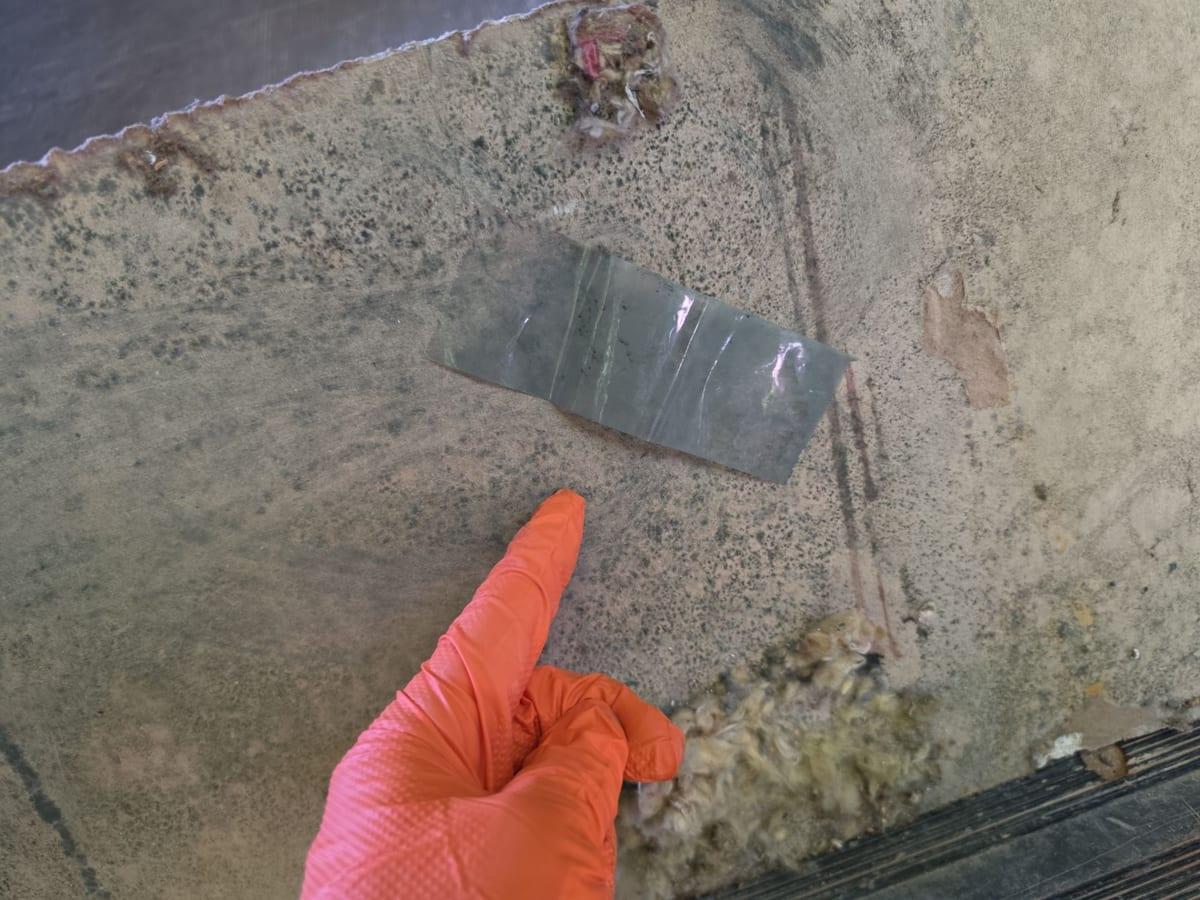
Surface and material sampling takes a sample from something you can see: a stain, a patch of growth, or a piece of material. It can help identify the type of mold on that surface. It doesn't tell you what's happening in the rest of the building. The method has to match the purpose, and the lab's result means something only for what was sampled. Sampling a patch that is already clearly mold usually doesn't change the cleanup, though it may answer a question you have about the type.
Post-Remediation Verification
After mold work, people want to know the job is done. Two different things get lumped together here. The first is a visual and moisture review: is the area clean, and are the materials dry? When our work is done we do a final cleaning and document the area with photos and moisture readings. That is a record of our own work, and it is not independent clearance.
The second is sampling after the work for a defined purpose. If you or your insurance company want independent clearance testing, a third-party assessor can do it. Any independent role, report or timeline should be agreed in the project scope before the work begins, so everyone knows what is being measured and why.
Mold Testing vs. Mold Inspection
An inspection finds the likely source and the scope of the problem. Testing adds sample data. Our mold inspection is free: we look for visible growth and check moisture. The free offer covers the inspection and our visual findings. Testing and surface samples are charged separately, and we give you the price before any sampling is done.
The two answer different questions, and neither stands in for the other. A test can't show why an area is wet. An inspection can't tell you the type of mold. Visible mold often still needs source control and a removal plan, whatever a sample shows. The same team inspects and removes mold. When we take samples, an independent third-party lab analyzes them. If you or your insurance company want independent testing, a third-party assessor can do it.
Interpreting Mold Test Results and Choosing Next Steps
A lab result is one piece of information. It should be read alongside how the sample was collected, what was seen on site and what the moisture readings showed. A number on its own doesn't make a property safe or unsafe, and it doesn't clear it. Be cautious of anyone who presents a single result as the final word on a whole property.
If the results and the observations point to confirmed mold or a moisture source, the next steps are the ones you'd expect: find what's feeding the moisture, deal with the affected materials, dry the area and document it. Our mold removal handles the cleanup side, and our mold remediation ties it to the moisture source, the drying and the documentation. If a result shows nothing of concern but the dampness or the smell persists, the moisture is still the thing to follow. Before you authorize any testing, ask what question it will answer, who will explain the results, and how they will change the plan.
Request Mold Testing Guidance in Charlotte & Concord, NC
Not sure whether you need testing, an inspection or removal? Call us and talk it through. A common first step is our free mold inspection, which is a visual and moisture check: we look for visible growth and check moisture, and we tell you whether sampling would answer a question or whether the next step is cleanup. It helps if you can tell us where you've seen or smelled mold, when the last water event was, and why you're thinking about testing.
Call (980) 501-1879. We answer 24/7.